

3 Reasons Why You Shouldn't DIY Roof Repairs
According to The Roofer's Guild, a typical roof lasts between 25 and 50 years, but only if it's regularly repaired and maintained. Roof repairs can be tempting to tackle on your own in the quest to save money and feel a sense of accomplishment. However, there are significant reasons why DIY roof repairs may not be the best idea. Let's explore a few essential factors that explain why professional intervention by a roofing company is necessary for roof repairs.
1. Safety Concerns
Risk of Falls
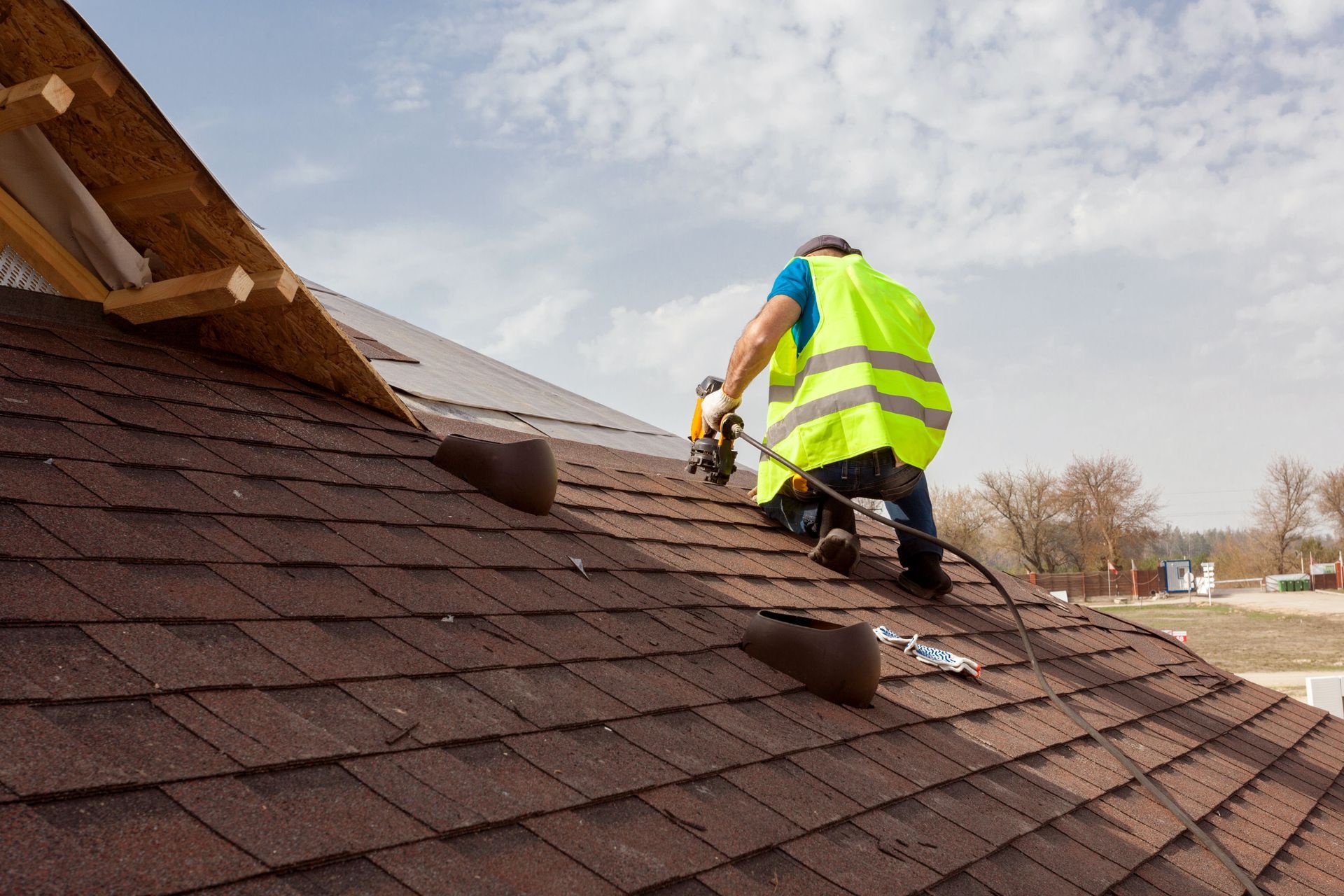
Working on roofs comes with the inherent danger of falls, a leading cause of injuries among non-professionals attempting home repairs. Elevated heights and unstable surfaces dramatically increase fall risk. Even seasoned DIY enthusiasts can misjudge footing or underestimate the risk, leading to potentially severe injuries or death. Fall protection gear, which many homeowners do not have, is crucial for working safely at heights. Such equipment can make all the difference, but it isn't enough without professional training to use it effectively.
Slips, trips, and falls contribute to most home repair-related accidents. This underscores the importance of trained professionals who have honed awareness of these risks through experience. While safety gear is indispensable, understanding and predicting when and how potential hazards might occur is just as critical. A trained professional can anticipate and navigate these risks effectively, reducing the likelihood of an accident. Ultimately, the cost of hiring a roofing company is small compared to the potential consequences of a fall.
Lack of Safety Equipment
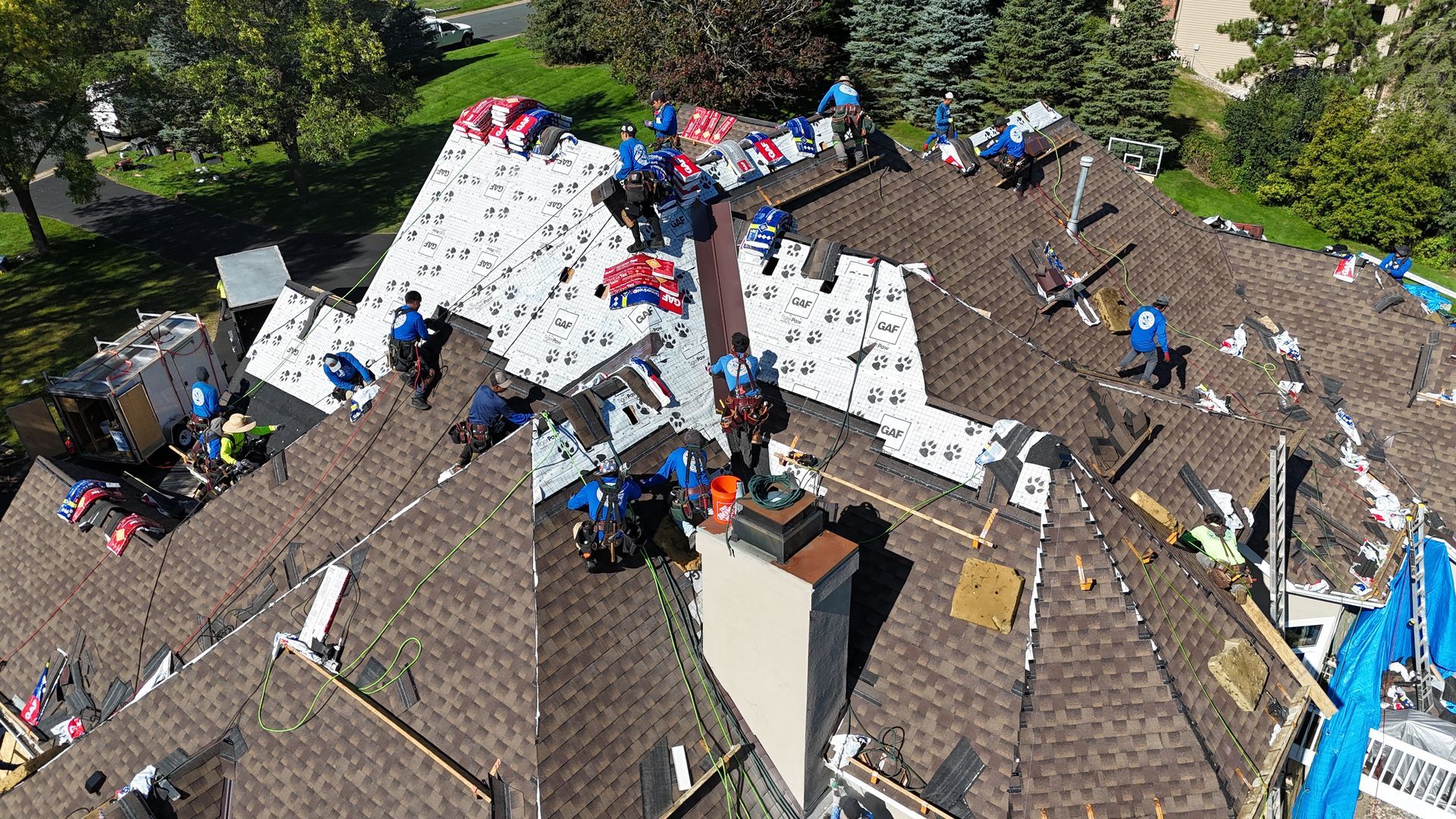
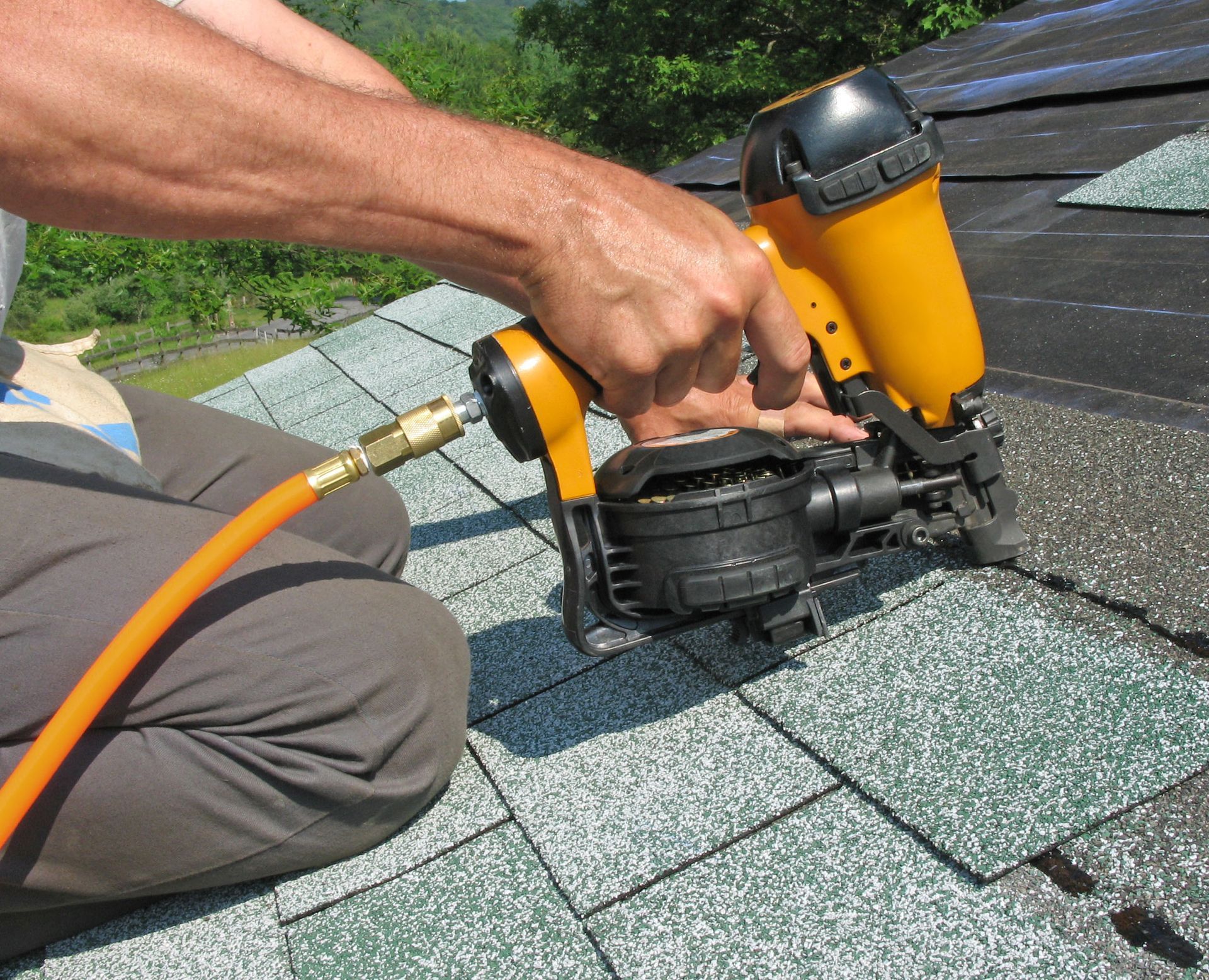
Professional roofers consistently use specialized equipment that minimizes risks, enhancing safety while optimizing efficiency. Equipment like harnesses, sturdy ladders, scaffolding, and fall arrest systems is not only costly but require expertise to be employed effectively. Most homeowners lack the knowledge to correctly utilize such gear or might find the cost of purchase or rental prohibitively expensive. With a professional roofing company, the peace of mind that comes with the fact that they can access and correctly use equipment speaks volumes. This equipment is crucial in significantly reducing the risk of injury and ensuring a higher standard of work safety.
Having the right equipment is only part of maintaining safety during roof repairs. Knowledge of when and how to use this equipment is paramount, which is a skill developed through experience and training. A roofing company employs safety protocols developed over years of practice and might have certifications demonstrating its capability. This ingrained culture of safety ensures that risks such as unexpected equipment failure or improper usage are significantly mitigated. A reduced risk profile translates into fewer injuries, quicker repair times, and regular maintenance, ensuring your roof's integrity over its lifespan.
Inclement Weather Conditions
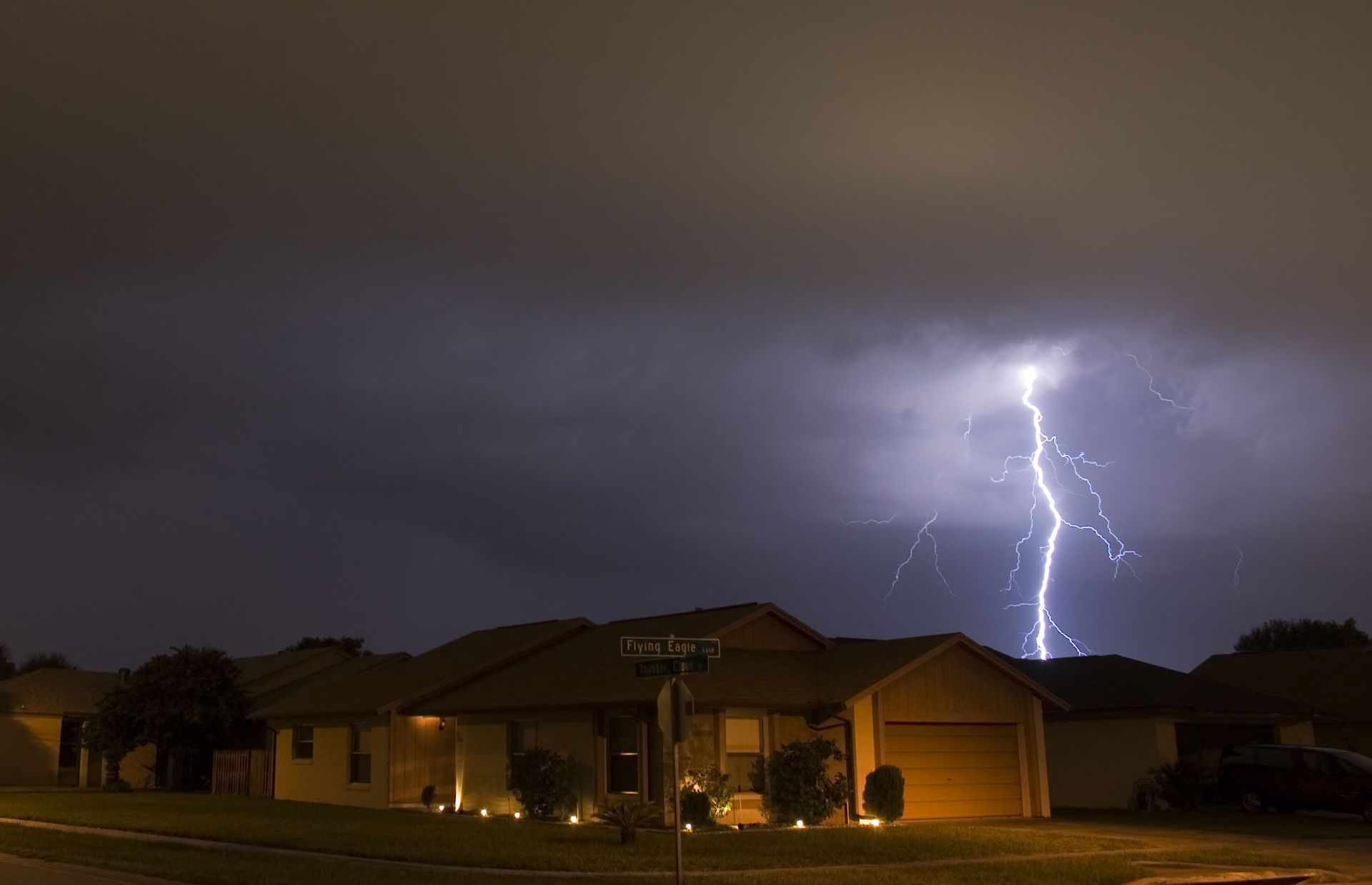
Working on a roof in poor weather conditions amplifies safety risks exponentially. Wet surfaces from rain or snow increase the potential for slips, while wind may unbalance individuals not used to maneuvering in such conditions. Timing is everything in roofing, and when weather is unpredictable, preparation is paramount. A roofing company can mitigate these risks by scheduling work when conditions are optimal or by using equipment that provides added support and stability in challenging conditions. They have the know-how to keep a project on track without compromising safety despite changing weather patterns.
Professional roofers can assess weather-related risks accurately, scheduling and executing repairs efficiently. Storms may create openings needing urgent action; however, knowing when and how to intervene makes all the difference. While homeowners might be tempted to rush a project fearing further damage, professionals think long-term, opting for days that optimize safety and provide conducive working conditions. This approach not only ensures immediate repairs but also prevents recurrent problems caused by substandard work due to inclement weather. It's a synergy of timing, skill, and experience that defines successful, safe roof management.
2. Lack of Expertise
Complex Roofing Systems
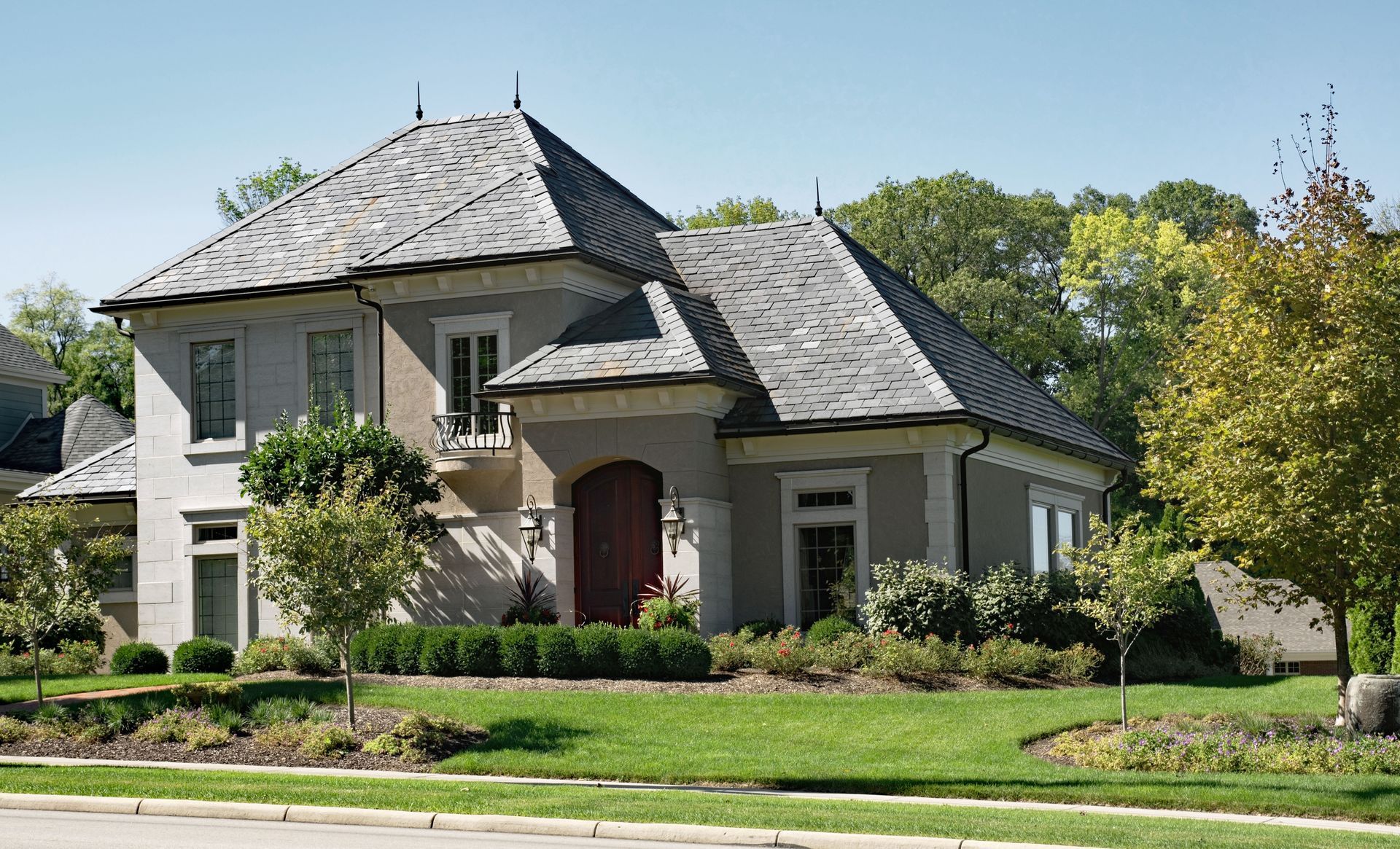
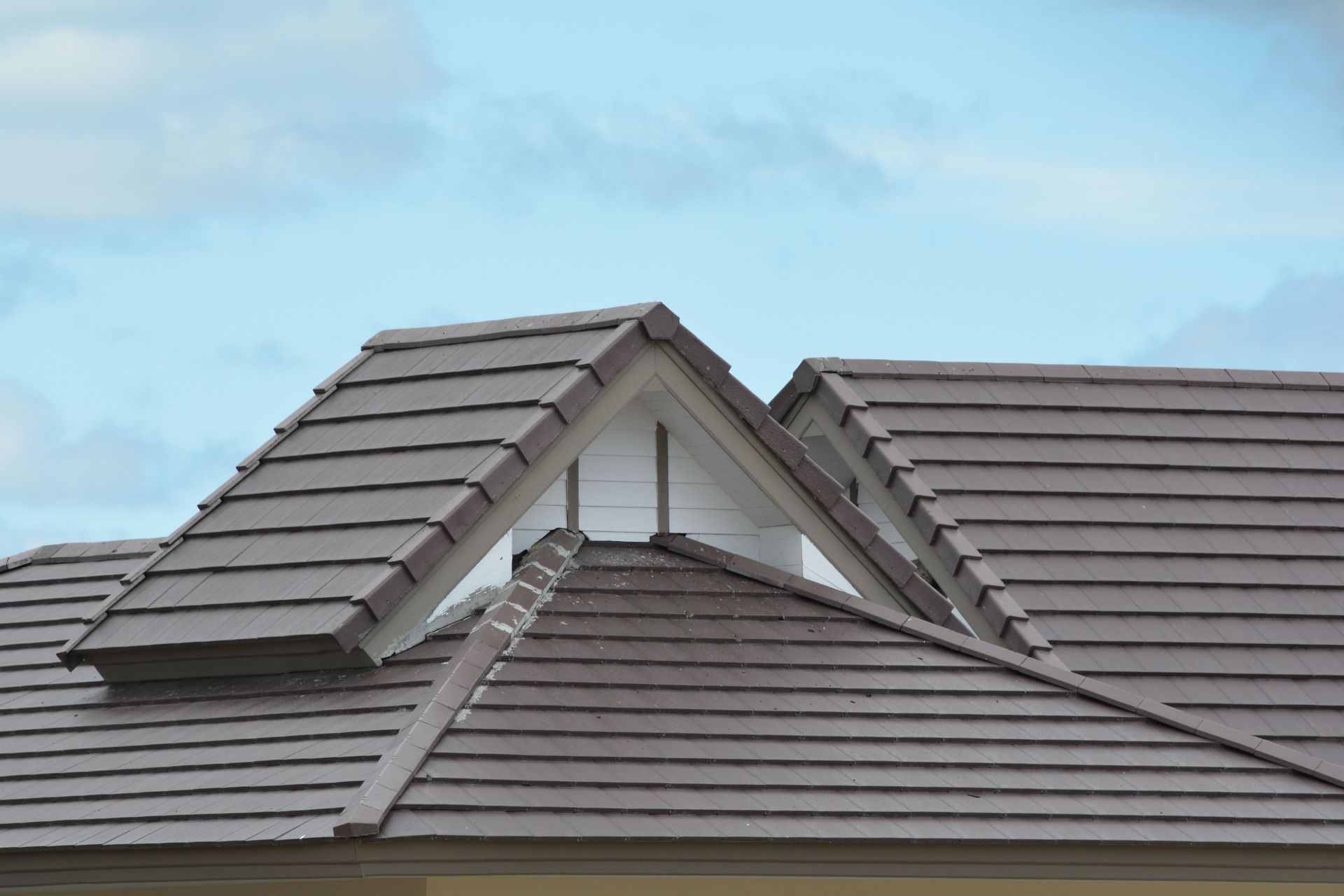
Modern roofing systems are substantially more intricate than simple pitched roofs of the past. Configurations can range from gable to dormer and even more contemporary designs, many featuring multiple layers combined to function cohesively. These complexities necessitate comprehensive knowledge about both the structure and functionality of various roof systems. Without it, attempted repair efforts might not only fall short of expectations but also weaken support systems, leading to unintended consequences. Professionals bring specialized skill sets honed by experience, developed with an up-to-date understanding of evolving roofing technologies and materials.
Historical shifts towards more advanced roofing systems mirror technological advancement in materials and design, adding another layer of complexity. A roofing company will continuously scout, update, and adapt to the ever-evolving landscape, maintaining expertise crucial for successful maintenance. Modern roofs often cater to functional needs, like solar panels or green roofs, and aesthetic desires that require accurate technical expertise to preserve. Such designs challenge nonprofessionals' comprehension limits, where incorrect handling translates into costly mistakes. With each misstep, recurring issues arise, amplifying complexities and expenses for homeowners.
Identifying Underlying Issues
A significant setback for DIY enthusiasts is their inability to identify underlying issues. While obvious damages like missing shingles may draw attention, underlying problems such as insulation damage or subtle water ingress often go unnoticed. These hidden issues gradually lead to significant structural weaknesses if not promptly addressed. A roofing company can offer robust assessments that identify these underlying issues, leveraging extensive experience and training. Their evaluation includes recognizing not just the damage but its root cause, ensuring resolution and prevention of repeat occurrences.
Minor damages can often mask more significant, underlying problems invisible to untrained observers. What may be misconstrued as superficial issues are often mere symptoms of deeper, more complex problems that jeopardize the roof's long-term integrity. A professional can uncover these subtler points where repair is most needed, following a diagnostic process informed by years of expertise. Addressing underlying issues promptly prevents future costs and compound repairs. Homeowners can confidently rely on professionals to assess and rectify these complex structural interactions thousands of feet above ground.
Proper Material Use
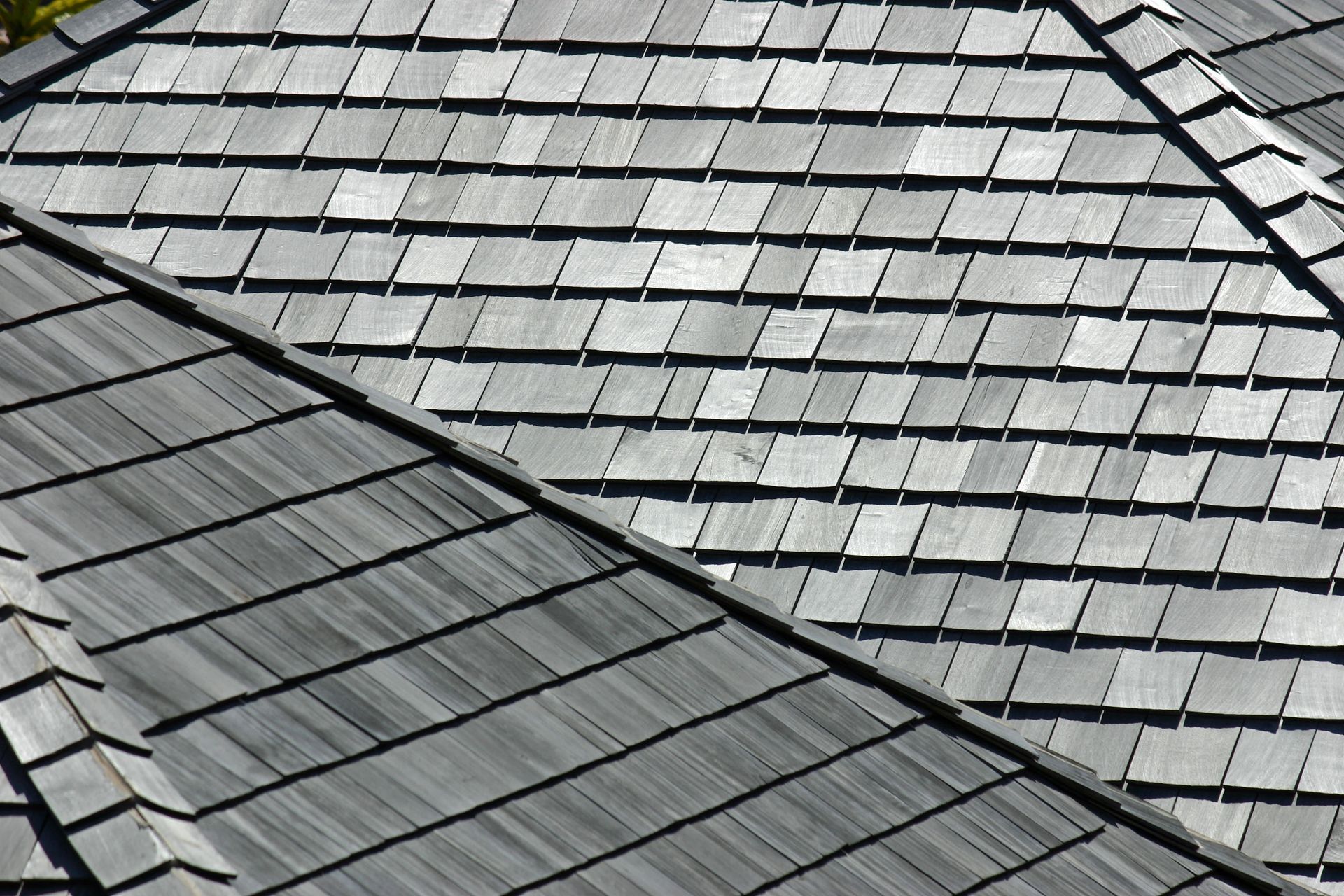
Understanding the correct use and type of materials is crucial for ensuring effective roof repair. Various materials serve different purposes, each with its specific application methodologies and limitations. For example, a professional knows the differences between asphalt shingles, metal sheets, and tiles, and how to apply each based on climate, roof type, and budgetary limits. Homeowners might miss out on these considerations, inadvertently using materials incorrectly, leading to ineffective repairs. Selecting the right materials is cardinal, and professionals bring years of knowledge to guide this decision-making process, saving both time and resources in the process.
3. Potential for Further Damage
Improper Repair Techniques
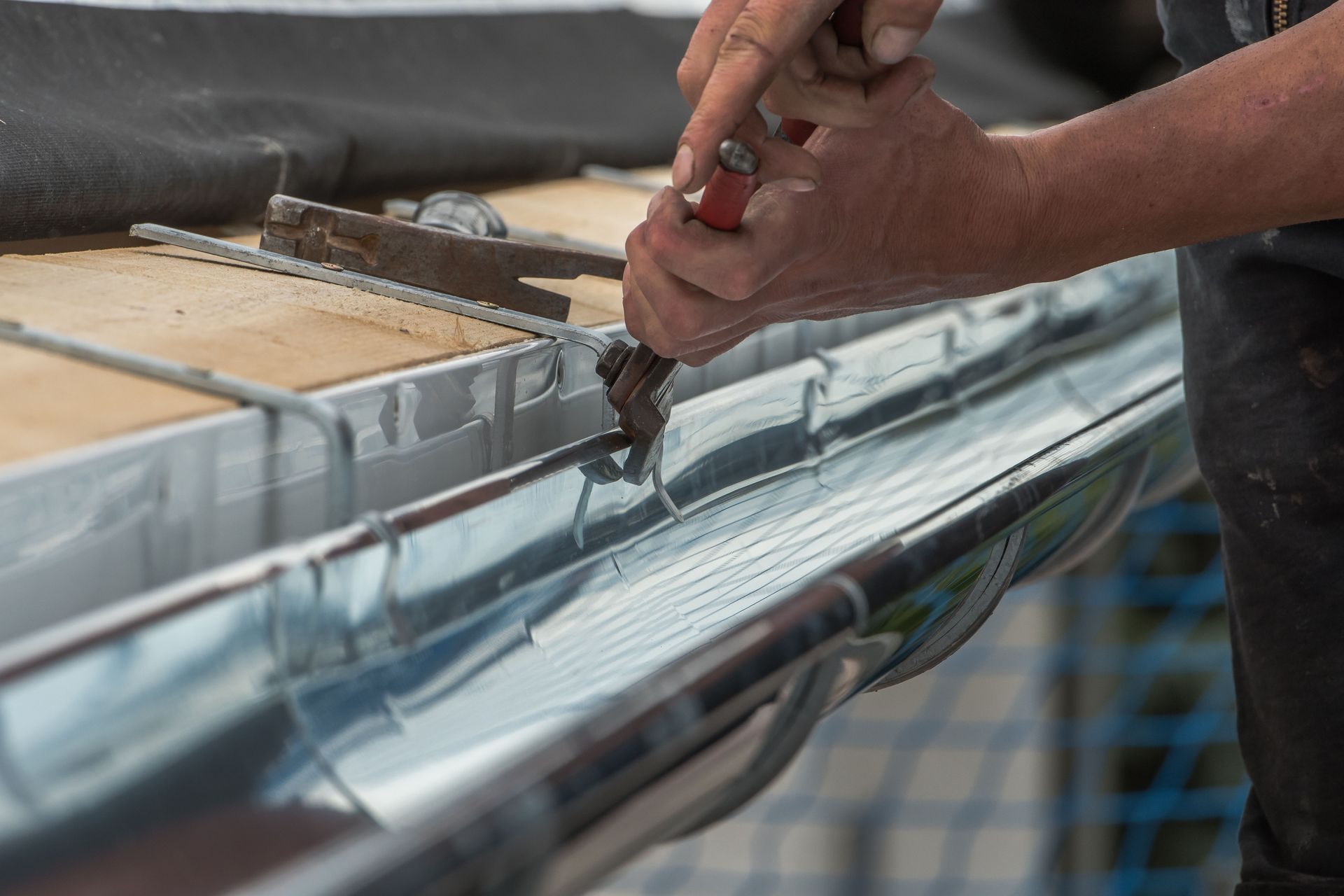
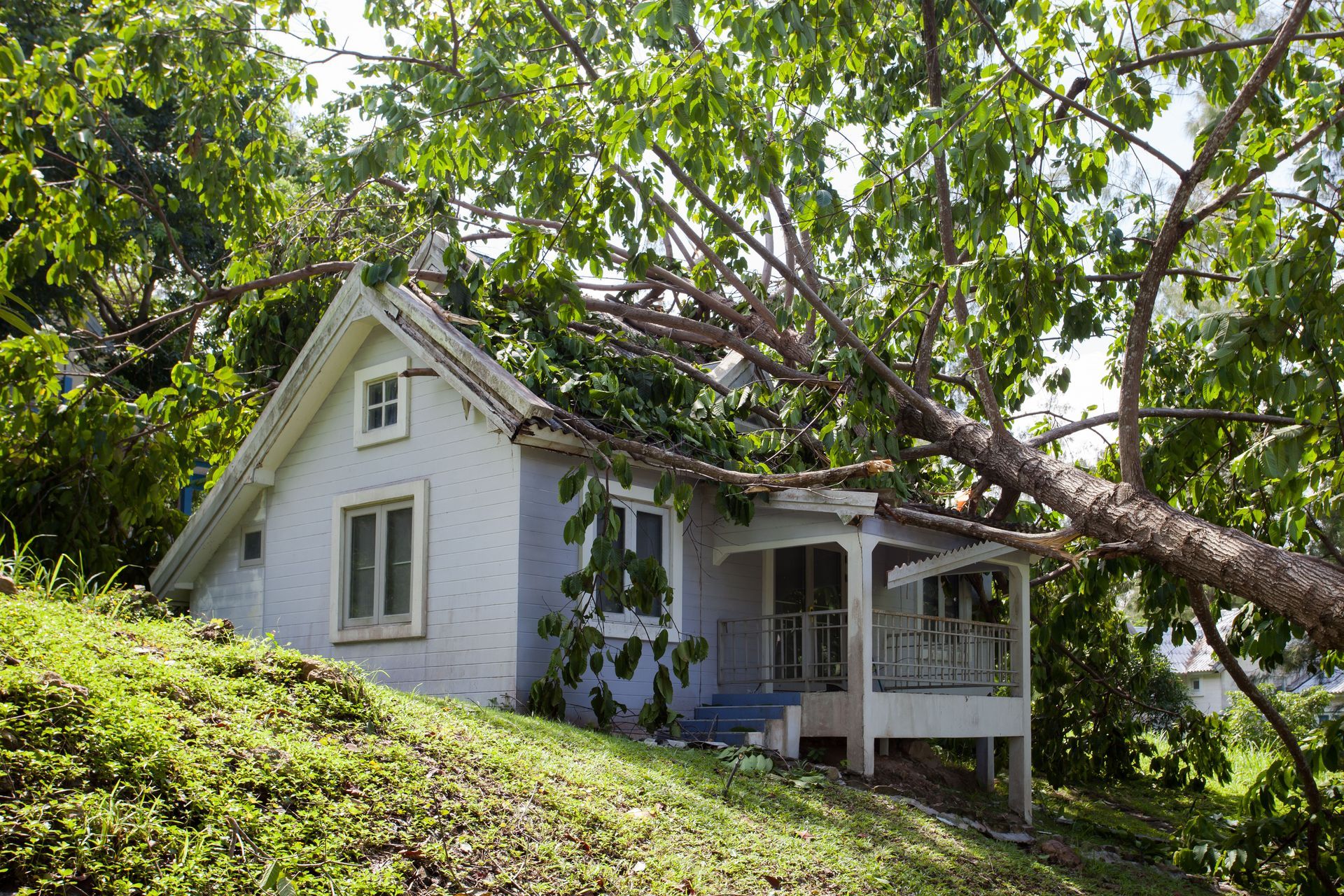
Improper repair techniques have the potential to exacerbate existing roof damage rather than resolve it. Incorrectly done repairs might provide temporary relief but become long-term liabilities if key issues remain unaddressed. By employing ill-suited or amateur techniques, homeowners risk profound and expensive consequences that might outweigh initial savings intended through DIY undertakings. Small mistakes add up, leading to roof instability, water infiltration, or even potential collapse if structural integrity becomes compromised. Given these serious implications, professional involvement ensures appropriate techniques focused on mitigating further deterioration while emphasizing preventative measures.
Relying upon a roofing company can provide certainty by employing established methods calibrated to industry standards for mitigating known issues. Employing effective patching or replacement strategies prevents the exponential growth of a once-solvable issue into a larger inconvenience. Experience and expert preparation consistently reduce the unintended probability of exacerbating damages, offering reassurance professionals provide with every intervention.
While the desire to tackle roof repairs yourself is understandable from a cost-saving perspective, the reality of DIY roofing presents far more risks than rewards. Navigating extreme heights without proper safety gear, misdiagnosing complex structural problems, and using incorrect materials or techniques can quickly turn a minor fix into a catastrophic, expensive failure. Ultimately, your roof is your home's primary line of defense. Investing in a licensed, professional
roofing company like Kaufman Roofing ensures your own personal safety and provides the long-term peace of mind that a job was done right the first time. Reach out to us today to get started!
Share On: