


When to Schedule a Roof Inspection
Your roof protects your home from rain, wind, heat, snow, and everyday wear, but damage is not always easy to spot from the ground. Small issues like loose shingles, cracked flashing, clogged gutters, or hidden moisture can turn into expensive repairs when they go unnoticed for too long. Scheduling a roof inspection at the right time gives homeowners a clearer picture of their roof’s condition and helps them address concerns before they spread.
Knowing when to schedule a roof inspection can make roof maintenance easier and more effective. Seasonal changes, severe weather, visible leaks, aging materials, and routine upkeep are all important reasons to have your roof checked. This article explains the best times to schedule a roof inspection and the warning signs homeowners should watch for throughout the year.
1. Seasonal Considerations for Roof Inspections
A. Spring Inspections
Spring is an ideal time for roof inspections as the harsh winter months can wreak havoc on roofing materials. Ice dams, melting snow, and heavy winds can loosen shingles and create hidden leaks that may not be immediately visible. Inspecting in the spring allows homeowners to address these issues before the summer heat exacerbates them. A thorough spring roof inspection can detect signs of wear and tear that may lead to more significant problems if left unchecked. Additionally, contractors are typically more available in the spring, making it easier to schedule maintenance or repairs.
B. Summer Inspections
Summer inspections focus on potential heat and sun-related damage that can compromise a roof's integrity. Prolonged exposure to UV rays can cause roofing materials to become brittle and more susceptible to cracking. Inspecting for such damage can prevent small cracks from developing into more extensive leaks. While summer generally experiences less rainfall, this period is perfect for making repairs without the risk of water intrusion. A roof inspection during the summer can also help homeowners spot ventilation problems, sun damage, and worn sealants before the next storm season arrives. However, it’s essential to consider that heat in attics can skew temperature-sensitive inspections, necessitating a more meticulous approach.
C. Fall Inspections
Fall is a crucial time for inspections as it prepares the roof for the upcoming winter. During this period, technicians can check for debris buildup in gutters and valleys that could lead to ice dam formation once temperatures drop. Regular cleanup in fall prevents accumulated leaves and branches from causing drainage problems that might result in water damage. Moreover, addressing small issues in the fall can prevent them from worsening due to the freeze-thaw cycles of winter. A roof inspection before cold weather sets in gives homeowners more time to complete repairs before snow, ice, and freezing temperatures make roofing work more difficult.
D. Winter Inspections
Winter inspections are less common but necessary in specific circumstances where snow load and ice dam formation must be monitored. Heavy snow can exert pressure on roof structures, leading to potential sagging or collapse in extreme cases. Ice dams that form at the edges of roofs can prevent melted snow from properly draining, which can cause leaks. In areas with heavy snowfall, regular roof clearing and inspection can prevent these issues from escalating. Even though fewer repairs are feasible during winter, inspections can prioritize urgent needs that entail immediate intervention.
E. Frequency Depending on Climate
The frequency and timing of roof inspections should be adjusted based on local climate conditions. In regions where heavy rainfall or frequent storms occur, inspections might need to be more frequent to account for constant wear. Dryer areas may require fewer checks, although intense heat or high winds might still necessitate seasonal attention. According to This Old House, nearly 49% of all home insurance property damage claims from 2018 to 2022 were due to strong winds and hail, indicating the importance of adapting inspections to prevalent weather patterns. Temperate climates with mild weather year-round can follow regular bi-annual inspections, whereas more volatile climates might benefit from quarterly or event-triggered checks.
2. After Severe Weather Events
A. Post-Storm Inspection Necessity
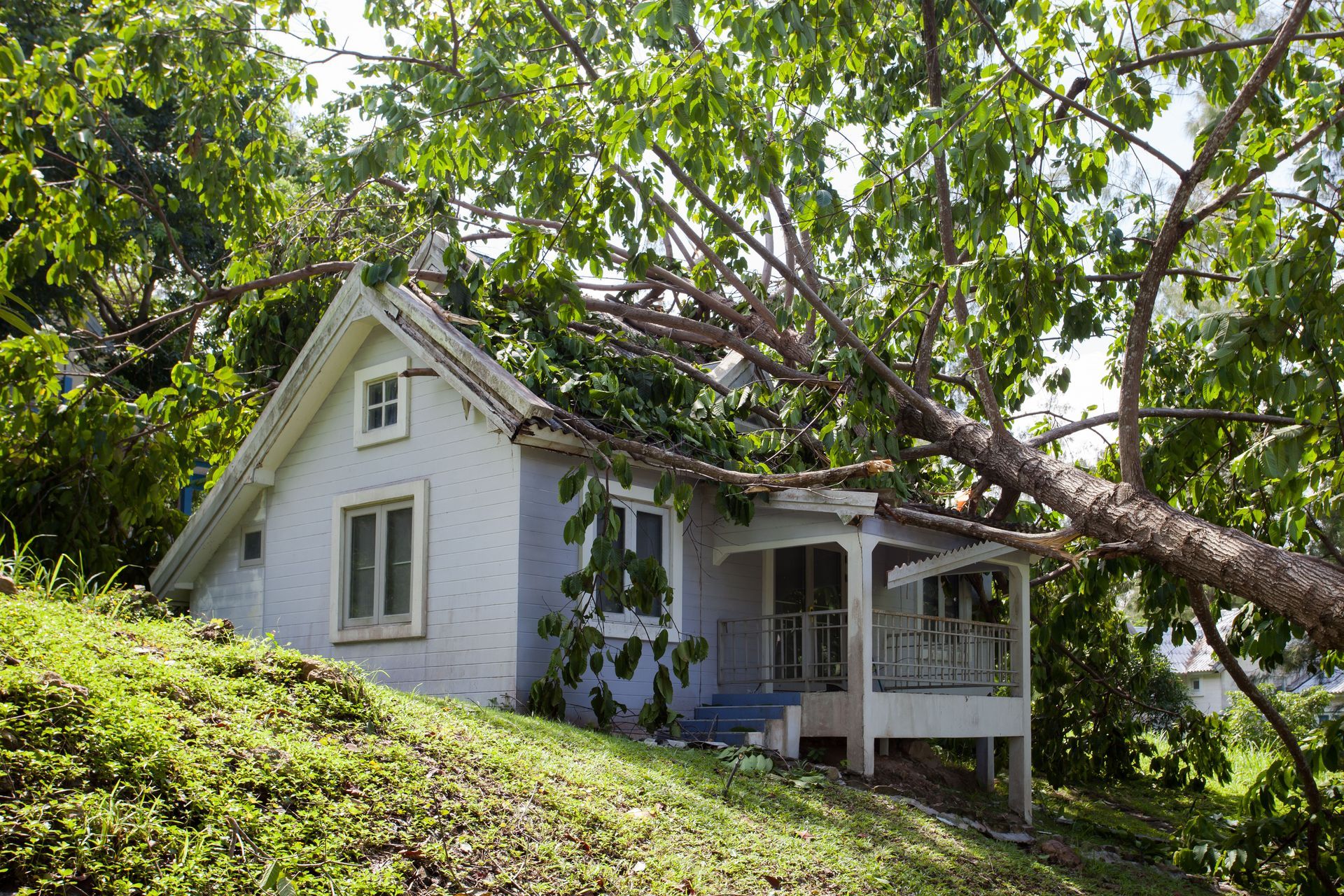
Severe weather events such as high winds and hail can cause substantial damage to a roof in a brief period. It is crucial to conduct an inspection following these events to verify the roof's integrity hasn’t been compromised. Even seemingly minor damage, like missing shingles or granule loss, can lead to significant issues if left unattended. A roof inspection after a storm can also provide documentation for insurance claims, providing a clear record of damage incurred. Prompt inspection and repair can save homeowners from costly future repairs resulting from leaks or structural damage.
B. Identifying Damage from Heavy Rain
Heavy rain can lead to leaks and water damage, seeping into underlayment and causing long-term issues like rot and mold. Roofs with pre-existing small leaks can experience aggravated issues after consistent rain exposure. During a post-rainstorm inspection, technicians should check attic spaces and ceilings for signs of moisture and water ingress. Swift identification of leaks allows for timely repairs, which can prevent the spread of water damage to other parts of the building. This proactive approach helps maintain the overall health of the structure and avoids expensive renovations in the future.
C. Dealing with Snow and Ice Damage
Frequent freeze-thaw cycles during winter can cause roofing materials to expand and contract, leading to potential cracking and water intrusion. An inspection following significant snowfall can identify signs of damage such as lifting shingles or weakened roof sections. Ice dams can cause water to pool and infiltrate under shingles, increasing the risk of leaks into living areas. Timely removal and a roof inspection can help these issues get addressed before they become severe. Proper insulation and ventilation can also help mitigate damage from freeze-thaw cycles, reducing the risk of future issues.
D. Handling Roof Damage from Hurricanes and Tornadoes
Hurricanes and tornadoes can inflict catastrophic damage to roofing structures, requiring urgent and thorough inspections. The force of these storms can rip shingles off, damage flashing, and even destroy roofing structures entirely. Emergency inspections following such events are necessary to assess safety and prioritize repairs needed to secure the home. Addressing damage from such high-impact events often involves working closely with insurance companies and repair professionals to execute urgent restorations. These inspections often involve a detailed assessment of all roof aspects, so no damage is overlooked.
E. Insurance Considerations
Post-severe weather event inspections are critical for documentation and the facilitation of insurance claims. Effective documentation includes photographs and written assessments that provide evidence of the damage sustained for insurance purposes. Insurance companies often need these records to process claims accurately and reimburse repair costs. A roof inspection report provides a comprehensive view of the roof's condition, detailing specific areas affected and recommended action. Homeowners are encouraged to familiarize themselves with their policies to fully understand coverage regarding storm damage.
Regular roof inspections are critical for maintaining the longevity and durability of your home’s roof. By scheduling timely checks based on seasonal changes, weather events, visible issues, and routine maintenance needs, homeowners can keep their roofs robust and functional. Whether opting for professional inspections or assessing damage personally, understanding when and why to schedule a roof inspection is key to safeguarding your home. If you need a roof inspection, contact Kaufman Roofing. Reach out today for more.

Share On: