


How a Residential Roofer Evaluates Asphalt Shingles After Storm Damage
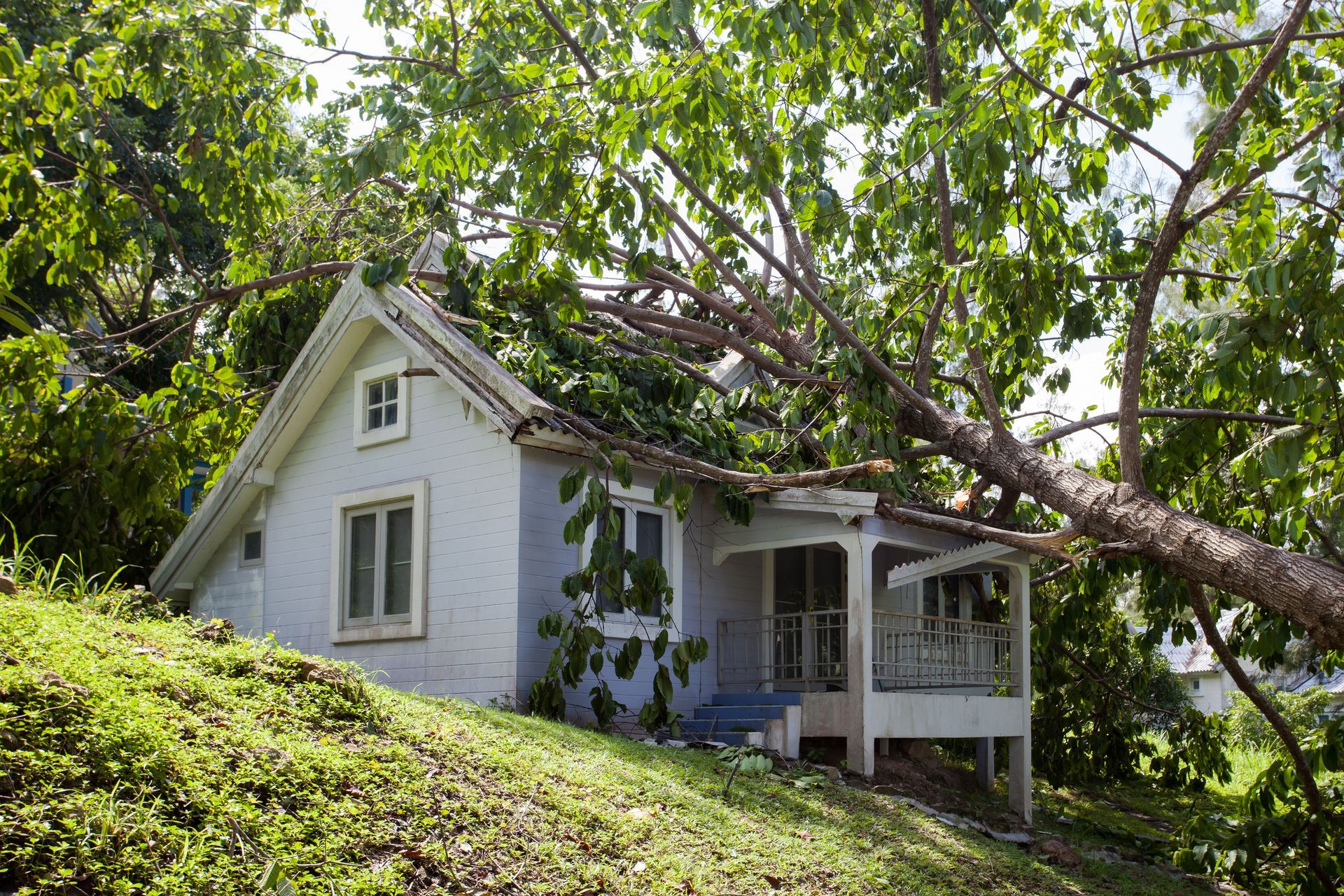
Asphalt shingles are a popular roofing material because they offer a balance of affordability, versatility, and weather protection. However, severe weather can affect their condition and performance. Strong winds, hail, heavy rain, and falling branches may damage shingles or compromise other components of the roofing system. After a significant storm, a professional inspection can help homeowners understand whether their roof has sustained damage and what steps may be necessary to address it.
A residential roofer evaluates more than the visible surface of the roof. Although missing shingles and obvious impact marks can indicate a problem, other forms of damage may be less noticeable. Loose shingle tabs, compromised flashing, and damaged roof penetrations can create openings that allow moisture to enter the structure. Identifying these concerns early can help homeowners make informed decisions about repairs and protect their property's interior.
Storm damage can also vary according to the roof's age, installation quality, ventilation, and exposure to the elements. An older roof may be more vulnerable to wind damage than a newer system in good condition. Understanding these factors allows a roofing professional to assess the roof in context rather than treating every sign of wear as storm-related damage.
Identifying Visible Signs of Shingle Damage
One of the first steps in a storm damage evaluation is looking for visible changes to the asphalt shingles. Strong winds can lift shingle edges, break the seal between adjacent shingles, or tear materials away from the roof. Missing shingles can expose the underlying roofing components to moisture and weather, making timely assessment important.
Hail can produce a different pattern of damage. Depending on the size and intensity of the hail, impacts may dislodge protective granules, fracture shingles, or create other surface damage. The appearance of individual shingles can provide useful information, but an accurate assessment requires consideration of the entire affected area. Not every mark or granule deposit proves that hail caused roof damage.
Granule loss deserves particular attention because the granules help protect asphalt shingles from sunlight and weather exposure. Some granule shedding is normal as roofing materials age, especially during the early life of a roof. However, concentrated granule loss following a storm may warrant closer evaluation, particularly when accompanied by other signs of impact.
A professional inspection considers the location, distribution, and severity of visible damage. A residential roofer may compare affected areas with sections that appear undamaged to better understand the pattern. This approach helps distinguish potential storm impacts from ordinary aging, previous repairs, and other conditions that may have developed over time.
Examining Less Obvious Roofing Problems
Not all storm-related roofing problems are immediately visible. Wind can loosen shingles without removing them, leaving the roof vulnerable even when the surface appears mostly intact. If shingles lose their secure attachment or their sealing strips become compromised, future wind or rain may worsen the problem.
Flashing is another important area of evaluation. These metal or other waterproofing components help protect transitions around chimneys, vents, skylights, walls, and other roof features. Severe weather can displace or damage flashing, creating possible pathways for water intrusion. A professional inspection examines these transitions alongside the shingles themselves.
The roof's edges, valleys, and penetrations may deserve additional attention because they involve changes in roof direction or connections between materials. Wind-driven rain can expose weaknesses in these areas, particularly when existing wear or installation problems are present. Checking these details helps provide a more complete understanding of the roofing system's condition.
Storm-related moisture may also become apparent inside the home. Water stains on ceilings, damp insulation, peeling paint, or moisture near exterior walls can indicate a leak, although plumbing and other building issues may cause similar symptoms. A roofing professional can evaluate whether exterior damage may be contributing to the problem and recommend further investigation when necessary.
Assessing the Roof's Age and Overall Condition
A storm inspection should account for the roof's condition before the weather event. Asphalt shingles naturally change as they age, and long-term exposure to sunlight, temperature fluctuations, and moisture can affect their flexibility and protective surface. Existing wear may influence how well the roofing system withstands severe weather.
According to the National Association of Home Builders (NAHB), asphalt shingles typically have a lifespan of 20 to 30 years. This estimate provides a general reference rather than a guaranteed lifespan for every roof. Installation quality, product specifications, maintenance, ventilation, and local weather conditions can affect how long shingles remain serviceable.
During an evaluation, a residential roofer considers whether observed damage appears isolated or widespread. A small area of wind damage on an otherwise well-maintained roof may call for a different response than extensive deterioration across multiple slopes. The roof's age and condition help inform that decision, but they should not replace a careful assessment of the actual damage.
Previous repairs may also influence the inspection. Older patches, mismatched shingles, and recurring leak locations can provide context about areas that have experienced problems before. Reviewing these details helps the contractor develop a more complete picture of the roof and identify whether additional concerns may require attention.
Determining Whether Repairs or Replacement Are Appropriate
Once the inspection is complete, the next step is determining the appropriate response. Repairs may be suitable when storm damage is limited, and the surrounding shingles and roofing components remain in serviceable condition. Depending on the findings, the work could involve replacing damaged shingles, addressing flashing problems, or correcting other affected areas.
Replacement may be worth considering when damage is extensive, the shingles have deteriorated significantly, or recurring problems suggest that the roofing system is nearing the end of its useful life. However, a storm does not automatically mean an entire roof must be replaced. The recommendation should reflect the extent of the damage, the condition of the existing materials, and the practicality of achieving a durable repair.
Material availability can also affect repair planning. Older asphalt shingles may be discontinued, and replacement products may differ in color, shape, or texture. Although a precise visual match is not always possible, a professional can explain available options and how they may affect the roof's appearance and performance.
A residential roofer should communicate the reasoning behind the proposed work and explain any limitations. Homeowners benefit from understanding which areas need immediate attention, what repairs are intended to address, and whether additional work may be advisable because of the roof's overall condition. Clear recommendations make it easier to compare options and plan for the property's needs.
Documenting Storm Damage and Reviewing Insurance Options
After severe weather, documenting roof conditions can help homeowners organize information about the damage. A professional inspection may include photographs, descriptions of affected areas, and an explanation of recommended repairs. This information can be useful when discussing the roof with an insurance representative or comparing contractor estimates.
Insurance coverage depends on the policy, the cause of damage, applicable exclusions, and other terms. Visible damage does not guarantee that a claim will be approved, and normal aging or deterioration may be treated differently from sudden storm damage. Homeowners should review their policy and consult their insurance company about reporting deadlines, inspection requirements, and supporting documentation.
A roofing contractor may be able to explain the observed conditions and provide an estimate for the necessary work. However, the insurance company determines coverage according to the policy. Keeping inspection reports, photographs, repair estimates, and related communications organized can help homeowners follow the process and understand the decisions involved.
Prompt attention is especially important if the storm has created an active leak or exposed the underlying roof structure. Water intrusion can damage insulation, ceilings, walls, and other building materials. A qualified professional can evaluate the situation and recommend appropriate measures to limit further damage while determining the permanent repair requirements.
Storm inspections help identify missing shingles, hail damage, and compromised flashing before problems worsen. Regular roof assessments also help homeowners understand shingle condition, plan maintenance, and anticipate replacement needs.
After severe weather, a professional inspection provides clear findings and practical recommendations. Contact Kaufman Roofing to schedule an inspection and discuss suitable solutions for your asphalt shingle roof with a residential roofer.
Share On: